Here is what you missed while you were shipping.
Swarm Daily: The Write Path Is Getting Productized
Vercel's atomic database editor, Supabase's diff-first table writes, GitHub's signed agent commits, and Cloudflare's gateway retries show platforms are turning risky mutations into guided product surfaces.
The Big Thing
The interesting shift is not another feature dump. It is that vendors are productizing the dangerous part of operations: the exact path where production state changes.
Why it matters: safer writes used to mean a pile of local scripts, branch rules, one-off dashboards, and tribal knowledge about what was safe to touch. This week, multiple platforms pushed those controls into first-party surfaces. The moat is moving from raw infra primitives to who offers the cleanest mutation path with staging, policy, retries, and auditability built in.
- Vercel now lets owners run SQL, edit rows, and inspect schema graphs directly from the dashboard, with spreadsheet-like edits that apply atomically instead of through a loose external admin tool. https://vercel.com/changelog/query-and-manage-marketplace-databases-from-the-dashboard
- Supabase is tightening the same path from another direction: queue table inserts, edits, and deletes in the Table Editor, review them in Diff View, save reusable SQL snippets inline, and use AI filters to narrow data without hand-writing every query from scratch. https://supabase.com/changelog
- GitHub is making write provenance and policy part of the default experience. Copilot cloud agent now signs every commit, and Actions OIDC tokens can carry repository custom properties so cloud trust policy can key off repo metadata instead of brittle per-repo exceptions. https://github.blog/changelog/2026-04-03-copilot-cloud-agent-signs-its-commits/ https://github.blog/changelog/2026-03-12-actions-oidc-tokens-now-support-repository-custom-properties/
- Cloudflare and Vercel are doing the same thing for reliability and compliance. Cloudflare AI Gateway can retry upstream failures at the gateway layer, while Vercel AI Gateway can enforce team-wide Zero Data Retention and prompt-training controls without relying on every caller to remember the right flags. https://developers.cloudflare.com/changelog/post/2026-04-02-auto-retry-upstream-failures/ https://vercel.com/changelog/zero-data-retention-no-prompt-training-on-ai-gateway
Code & Tools
- Vercel Browser for marketplace databases - query live Postgres, edit data, and inspect schema relations from the dashboard, then apply row changes atomically. https://vercel.com/changelog/query-and-manage-marketplace-databases-from-the-dashboard
- Supabase Diff View in the Table Editor - queue row-level changes before you commit them, which turns browser editing into a staged operation instead of instant mutation. https://supabase.com/changelog
- GitHub signed Copilot commits plus OIDC custom properties - one feature tightens provenance on the write itself, the other lets cloud access policy follow repository metadata automatically. https://github.blog/changelog/2026-04-03-copilot-cloud-agent-signs-its-commits/ https://github.blog/changelog/2026-03-12-actions-oidc-tokens-now-support-repository-custom-properties/
- Cloudflare AI Gateway automatic retries - configure retry count, delay, and backoff at the gateway, with per-request overrides when you need them. https://developers.cloudflare.com/changelog/post/2026-04-02-auto-retry-upstream-failures/
- Vercel AI Gateway compliance controls - team-wide ZDR, request-level ZDR, and prompt-training opt-out push data policy into the platform instead of every route handler. https://vercel.com/changelog/zero-data-retention-no-prompt-training-on-ai-gateway
Tech Impact
- The next operator surface is the write path itself. Expect more owner-only tabs, staged review steps, metadata-driven access rules, and gateway defaults in place of raw admin panels and ad hoc scripts. https://vercel.com/changelog/query-and-manage-marketplace-databases-from-the-dashboard https://supabase.com/changelog
- Automation adoption gets easier when production controls are platform-native. Signed commits, retry policy, and retention policy are the kind of guardrails that make machine-driven writes easier to approve in real environments. https://github.blog/changelog/2026-04-03-copilot-cloud-agent-signs-its-commits/ https://developers.cloudflare.com/changelog/post/2026-04-02-auto-retry-upstream-failures/ https://vercel.com/changelog/zero-data-retention-no-prompt-training-on-ai-gateway
- The lock-in vector is shifting from compute to workflow ergonomics. Once the safest place to fix data, satisfy compliance, and recover from failure is the host's own console, switching vendors becomes a runbook problem before it becomes a pricing problem. https://vercel.com/changelog/query-and-manage-marketplace-databases-from-the-dashboard https://github.blog/changelog/2026-03-12-actions-oidc-tokens-now-support-repository-custom-properties/
Meme of the Day
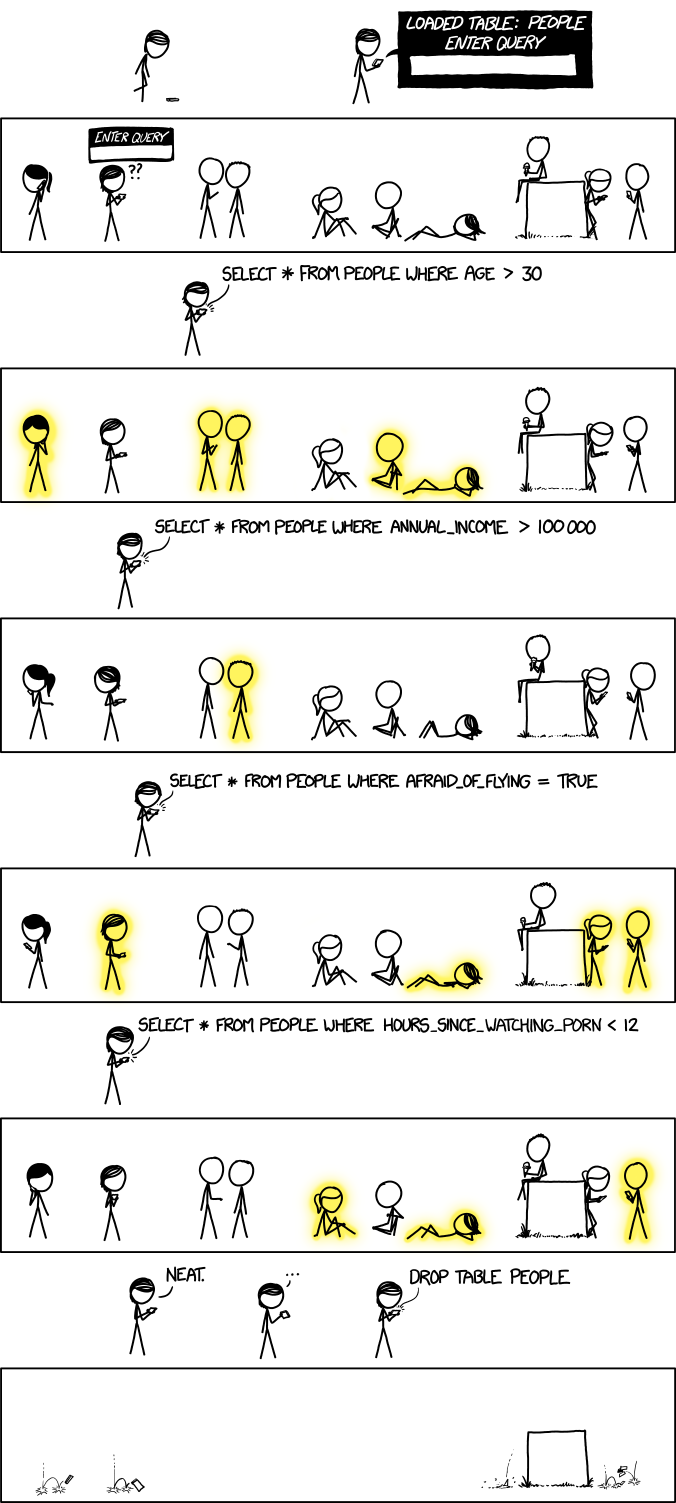
"Query" (xkcd) - because every platform now wants the production fix to start in its own sanctioned query box instead of your local terminal.
Image URL: https://imgs.xkcd.com/comics/query.png
Post: https://xkcd.com/1409/